Introduction
The evolution of personal digital assistants (PDAs) from their inception to the present day is a fascinating journey through the intersection of technology and daily life. This evolution reflects not just advancements in computing power and software sophistication, but also a deepening understanding of how humans interact with machines. From the early, somewhat rudimentary attempts at creating digital helpers like Microsoft's Clippy, to the sophisticated, AI-driven assistants such as Siri, Alexa, and the hypothetical Brandon Bot, the journey has been marked by both spectacular successes and lessons learned from less successful ventures. Understanding this evolution offers insights into the future of human-computer interaction, the increasing role of AI in our daily lives, and the potential for new forms of digital assistance that are more intuitive, helpful, and even anticipatory in nature.
The story of personal digital assistants is as much about the changing landscape of technology as it is about the changing desires and needs of technology users. Early PDAs were often limited by the technology of the time, offering basic help functions, reminders, and note-taking capabilities. However, as technology advanced, so too did the capabilities of these assistants, moving from simple task-based helpers to complex AI systems capable of understanding and processing natural language, learning from user interactions, and even predicting user needs. This progression from Clippy to Brandon Bot exemplifies not only the technological advancements but also the shift in user expectations and the expanding possibilities for digital assistance in both personal and professional contexts.
The Dawn of Digital Assistants
The inception of personal digital assistants can be traced back to simple desktop helpers like Microsoft Office's Clippy. Clippy, or Clippit, as it was officially known, was introduced in 1996 as an interactive assistant designed to offer help and tips for using Microsoft Office products. Despite its noble intentions, Clippy was often criticized for being intrusive and not particularly helpful, eventually becoming a subject of widespread derision. However, Clippy represented an early attempt at creating a form of digital assistance that was proactive, even if the execution fell short of the mark. This period marked the first steps toward understanding how digital assistants could become part of everyday computer use, laying the groundwork for the more sophisticated systems that would follow.
Other early examples of PDAs include Apple's Newton and the Palm Pilot, which, unlike Clippy, were not just software but hardware devices designed for managing contacts, calendars, and notes. These devices were revolutionary at the time, offering users portable digital assistance before the era of smartphones. The Newton, introduced in 1993, and the Palm Pilot, released in 1996, were among the first devices to attempt to consolidate various personal organization tools into a single, portable device. Although these early PDAs had their limitations, such as rudimentary handwriting recognition in the case of the Newton, they represented significant steps forward in the concept of personal digital assistance.
The Rise of Smartphone Assistants
The introduction of smartphone-based digital assistants marked a significant turning point in the evolution of PDAs. Siri, introduced by Apple in 2011 as part of the i Phone 4S, was a landmark development. It brought the concept of a voice-activated assistant into the mainstream, offering users the ability to perform tasks, set reminders, and search the internet using natural language. Siri's success prompted other technology companies to develop their own digital assistants, leading to the introduction of Google Assistant, Amazon Alexa, and Microsoft Cortana. These assistants leveraged advancements in natural language processing and machine learning to offer increasingly sophisticated and personalized assistance, far surpassing the capabilities of their early predecessors.
The impact of these smartphone assistants cannot be overstated. They have become integral to the daily lives of millions, facilitating a wide range of tasks from setting timers and sending messages to controlling smart home devices and providing real-time information like weather updates and news. The convenience and efficiency offered by these assistants have led to widespread adoption, with a significant portion of smartphone users regularly utilizing voice commands to interact with their devices. The evolution from simple, task-oriented PDAs to the multifunctional, AI-driven assistants of today has transformed the way people interact with technology, making it more accessible and user-friendly.
Advancements in AI and Machine Learning
The capabilities of personal digital assistants have expanded dramatically with advancements in artificial intelligence (AI) and machine learning. These technologies have enabled assistants like Siri, Alexa, and Google Assistant to understand context, learn from user interactions, and even anticipate user needs. Machine learning algorithms analyze vast amounts of data from user interactions, improving the assistant's ability to recognize speech, understand intent, and provide relevant and personalized responses. This continuous learning process means that digital assistants are constantly evolving, becoming more adept at handling complex requests and offering more accurate and helpful assistance over time.
The integration of AI into personal digital assistants has also facilitated the development of more natural and conversational interfaces. Users can interact with these assistants in a way that feels more intuitive and less like issuing commands to a machine. This has been a critical factor in the increased use of digital assistants, as it reduces the barrier to entry for users who may not be technically savvy. Moreover, the ability of these assistants to process natural language has opened up new avenues for accessibility, providing valuable assistance to users with disabilities or those who may find traditional computing interfaces challenging to use.
The Future: Towards More Personalized and Proactive Assistance
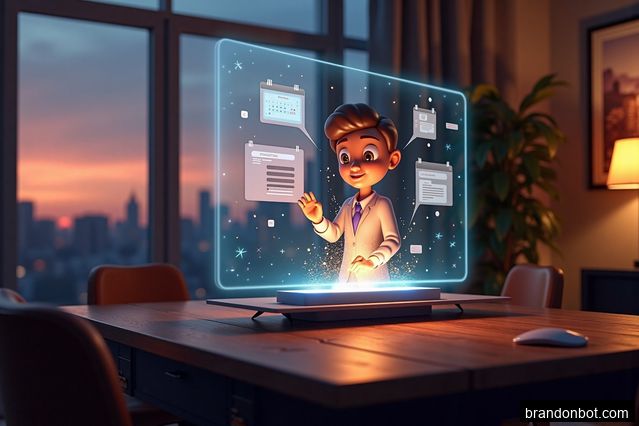
Looking forward, the evolution of personal digital assistants is poised to enter an even more personalized and proactive phase. The hypothetical Brandon Bot represents the next frontier in digital assistance, where AI not only responds to user requests but anticipates needs and offers solutions before the user even realizes the need exists. This level of personalized assistance requires a deeper understanding of user habits, preferences, and contexts, leveraging data analytics and predictive modeling to provide timely and contextually relevant assistance.
The development of such proactive assistants will rely heavily on advancements in privacy-preserving data analysis techniques, as they will need to process sensitive personal information to offer truly personalized assistance. Ensuring user trust and maintaining stringent data security measures will be paramount. However, the potential benefits are immense, ranging from more efficient time management and productivity enhancements to support for health monitoring and early warning systems for potential safety issues. As digital assistants become more integrated into our daily lives, they have the potential to not just assist with tasks but to significantly enhance our overall quality of life.
Conclusion
The journey from Clippy to Brandon Bot encapsulates the remarkable evolution of personal digital assistants over the past few decades. From simple office aids and portable digital organizers to sophisticated AI-driven assistants that are increasingly becoming a seamless part of our daily routines, PDAs have come a long way. This evolution has been driven by significant advancements in technology, particularly in the areas of natural language processing, machine learning, and AI. As we look to the future, the potential for even more personalized and proactive digital assistants promises to further transform our interaction with technology, making it more intuitive, accessible, and beneficial in our lives. The story of personal digital assistants is far from over, and the next chapters are likely to be even more exciting and transformative.
For those navigating the rapidly evolving landscape of personal digital assistants, the key takeaway is to embrace these changes and explore the potential of these technologies to enhance personal and professional productivity. The evolution from Clippy to Brandon Bot is not just a technological journey but a reminder of the limitless possibilities when humans and machines collaborate more closely and effectively. As we continue to advance, the role of personal digital assistants will undoubtedly expand, offering new opportunities for innovation and improvement in our daily lives.